Need tub-to-shower conversions in Oak Point?
Questions about a walk-in tub or shower? Send a request with a few photos and notes, and a provider in our network can follow up with an estimate.
No obligationOak Point walk-in tubs and safer bathing, simplified
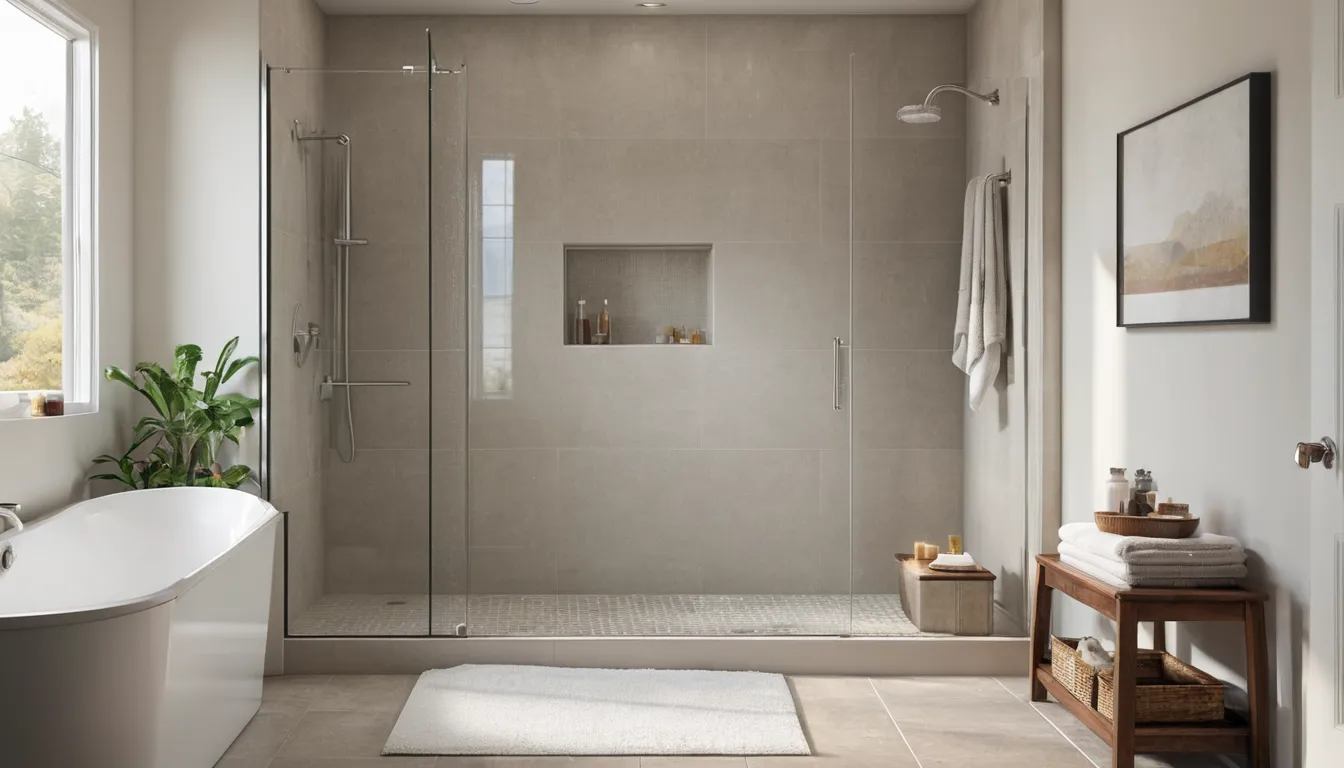
Is stepping over a tall tub wall getting harder? A tub-to-shower conversion removes that step. The tub comes out, and a low-entry shower goes in its place. It is a popular safe bathing conversion for homeowners who want easier, steadier showers without moving or rebuilding the whole bathroom.
Tryblazar Walk-In Tubs is a referral service. We do not do the work. We help you get organized, then connect you with an independent provider in our network serving the Oak Point area. Photos, notes, and measurements make estimates faster and clearer. You compare, ask questions, and decide with no obligation.
For many people, yes. A tall, wet tub wall asks you to lift a leg, balance on one foot, and trust a slick floor. That is a lot to ask on a sleepy morning. A tub-to-shower conversion swaps the tub for a shower with a much lower step-in.
Have you slipped, felt wobbly stepping out, or started avoiding showers? Then treat this as a priority. Waiting rarely makes the step any lower. Request a callback to check provider availability in the Oak Point area.
The tub is removed. The space is rebuilt as a shower with a low threshold, a slip-resistant floor, and room to move. Grab bars, a bench, and a handheld shower head are often added. Think of it as a small project with a big effect on daily comfort.
Are you wondering if this is only for older adults? Not at all. People recovering from surgery, people with sore knees or hips, and families planning ahead all choose it. If you do not need to soak, a shower often makes more sense than a tub.
Here is a quick tour of the choices you may hear about. Each one changes the price, the look, and how easy the entry feels.
This is the most common choice. You step over a very short curb instead of a full tub wall. It fits many standard tub spaces.
Want no step at all? A curbless floor slopes gently to the drain. This style is popular for handicap accessible showers because it works for walkers and wheelchairs. It can take extra floor work, so ask early.
Solid-surface panels or tile, a fold-down seat, and a handheld spray all change how the shower feels. Pick the pieces that match how you actually bathe.
Not quite. A tub replacement puts in a new tub. A conversion removes the tub and builds a shower. If you still want to sit and soak, a seated option such as senior walk-in tubs may suit you better, and that has its own page.
The provider protects floors and removes the old tub. Then they check the framing and plumbing, adjust the drain if needed, and set the new base. Walls, fixtures, and the door or curtain rod follow. Cleanup comes last. Your provider will explain the exact order for your bathroom.
Many conversions take a few days to about a week. Tile work, a curbless floor, or surprises behind the walls can stretch that. Ask for a written timeline, and ask what you can use at home in the meantime.
A glass door looks clean but adds a frame to step around. A fixed glass panel gives a more open entry and fewer parts to clean. A curtain is simple, budget-friendly, and easy to push aside for a helper. Which one feels easiest for you or a family member?
This is the ready-for-the-estimate step. Take clear photos of the tub, walls, floor, and doorway. Measure the tub length, width, and the opening you walk through. Jot down any soft spots, old leaks, or tight corners. Photos, notes, measurements: that small pile saves time on both sides.
It can. Steamy summers mean good ventilation and mold-resistant materials matter. Ask the provider about a strong exhaust fan and waterproofing. On a slab-on-grade ranch home, floor changes may involve the concrete. Older pier-and-beam houses may need a closer look at the framing underneath.
Will your needs change? Maybe. Ask about wider openings, blocking inside the walls for future grab bars, and a floor that could go curbless later. Small choices now can save a bigger rebuild down the road.
Keep a short list handy:
Most conversions are planned projects, so coverage is uncommon. Some policies may cover sudden damage, so check your policy. Providers can often help document damage for a claim. Keep your photos and notes in one folder either way.
The old tub is taken out and the space is prepped for a new shower.
A short-curb or curbless base replaces the tall tub wall, so stepping in feels easier.
Waterproof wall panels, a handheld spray, and optional seating are fitted to match your needs.
Safety bars can be added, then the provider clears debris and leaves the room tidy.
Prices vary a lot by bathroom size, materials, plumbing changes, and what is hiding behind the walls. These are common U.S. ranges only. Always get a written quote from the provider before work begins.
| Item | Typical range | Notes |
|---|---|---|
| Basic tub-to-shower conversion | $3,500 – $8,000 | Standard base, panels, and basic fixtures |
| Mid-range conversion with tile | $7,000 – $15,000 | Tiled walls, better fixtures, a built-in seat |
| Curbless or roll-in shower | $9,000 – $20,000 | Added floor and drain work is common |
| Glass door or fixed panel | $500 – $2,500 | A curtain rod costs far less |
| Grab bars and handheld spray | $150 – $800 | Price depends on number and style |
| Plumbing or subfloor repairs | $300 – $3,000 | Only if hidden damage is found |
Take photos, measure the tub and doorway, and jot down what bothers you most.
Request a callback or send the request form, and we point you to a provider nearby.
Ask each provider about scope, materials, timeline, and warranty before you choose.
The provider completes the conversion on the agreed date, and you get a safer, easier shower.
One request can connect you with an independent provider in our network.
Photos, notes, and measurements help providers give clearer estimates that are easier to compare side by side.
Tryblazar Walk-In Tubs connects you. Independent providers do all the work and set their own quotes.
Request an estimate with no obligation, then take your time deciding what fits.
Questions about a walk-in tub or shower? Send a request with a few photos and notes, and a provider in our network can follow up with an estimate.
No obligationMost U.S. projects fall between about $3,500 and $20,000. Size, materials, curbless designs, and hidden repairs all change the price. Get a written quote from a local provider, and compare scope, not just the bottom line.
Many take a few days to about a week. Tile work, curbless floors, or plumbing repairs can add time. Ask your provider for a written schedule.
Usually not, since it is a planned upgrade. Some policies may cover sudden damage, so check your policy. Providers can often help document damage for a claim, and your photos and notes help.
Questions about a walk-in tub or shower? Send a request with a few photos and notes, and a provider in our network can follow up with an estimate.
No obligation